Understanding Drunk Driving Accident Impact in Shippensburg
Related Posts
Contact Us
Let Our Team Fight For You

The Scope and Scale of Impaired Driving
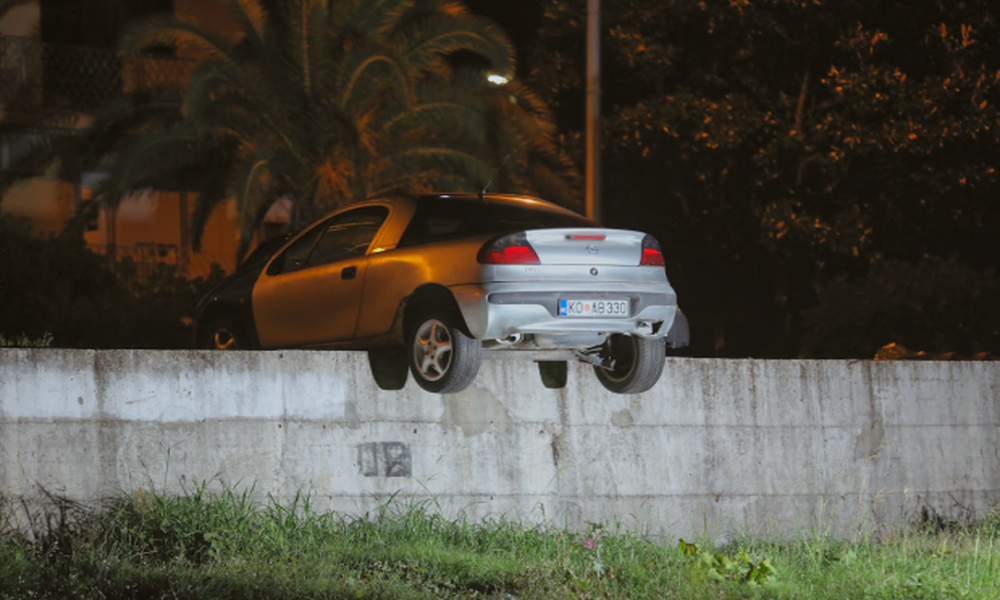
Drunk driving accident incidents are among the most devastating and preventable tragedies on our roads. Every 42 minutes, a life is lost in an alcohol-impaired crash, leaving families to cope with a sudden, senseless loss. Key Facts About Drunk Driving Accidents:- 34 deaths daily: One person dies every 42 minutes in drunk driving crashes.
- 12,429 fatalities in 2023 from alcohol-impaired driving.
- 30% of all traffic deaths involve drivers with BACs of .08 g/dL or higher.
- 4x crash risk for drivers at .08 BAC compared to sober drivers.
- $68.9 billion annual cost to the U.S. from impaired-driving crashes.
The Staggering Statistics
The numbers from the National Highway Traffic Safety Administration (NHTSA) reveal the scale of the problem. In 2023, 12,429 people died in alcohol-impaired traffic deaths, which is about 34 people every day, or one every 42 minutes. These preventable crashes account for 30% of all traffic fatalities and involve drivers with a blood alcohol concentration (BAC) of .08 g/dL or higher. The risk multiplies with alcohol consumption. A driver with a .08 BAC is four times more likely to crash than a sober driver. At .15 BAC, the risk is at least 12 times higher. Certain groups are disproportionately affected. In 2023, the 21-to-24-year-old age group had the highest percentage of drunk drivers in fatal crashes. Motorcyclists are also at high risk, with 26% of those killed in 2023 being drunk. Tragically, 25% of children (14 and younger) killed in vehicle crashes were victims of a drunk-driving incident. Repeat offenders are a significant danger. Drunk drivers in fatal crashes are six times more likely to have a prior DUI conviction than sober drivers. The financial toll is also immense, costing the United States $68.9 billion annually based on 2019 data. These costs cover everything from emergency services to long-term care for victims. For more detailed statistics on Alcohol-Impaired Driving in the US, we can refer to NHTSA’s comprehensive data.Drug-Impaired vs. Alcohol-Impaired Driving
While alcohol is a primary concern, drug-impaired driving is a growing threat. The percentage of fatally injured drivers testing positive for drugs is on the rise, indicating that drug impairment is an increasingly significant factor in fatal crashes. Cannabis use while driving is a major issue, especially with changing legalization. A significant percentage of cannabis users report driving within two hours of use, posing a serious risk. The combined use of alcohol and drugs is especially dangerous. Many fatally injured drivers test positive for both, which amplifies impairment and crash risk. The effects of mixing substances are unpredictable and far more hazardous than using either alone, requiring greater awareness and prevention to keep roads safe.How Alcohol Affects a Driver’s Ability
 Driving safely requires your brain and body to work in perfect sync. Alcohol disrupts this entire system. Even one drink can impair the abilities you need to drive, making a drunk driving accident a tragic possibility. Alcohol affects everything a safe driver relies on:
- Judgment: The ability to make safe decisions becomes clouded.
- Vision: Focus blurs, and tracking moving objects becomes difficult.
- Coordination: Simple tasks like steering or braking become clumsy.
- Reaction Time: The ability to respond quickly to hazards slows dramatically.
Understanding Blood Alcohol Concentration (BAC)
Blood Alcohol Concentration (BAC) measures the amount of alcohol in your bloodstream. As BAC rises, driving ability declines sharply.- At 0.02 BAC: Though not legally drunk, judgment and vision begin to decline, making it harder to track moving objects.
- At 0.05 BAC: Coordination suffers, steering becomes more difficult, and response time to emergencies slows.
- At 0.08 BAC: This is the legal limit in Pennsylvania. Muscle coordination, balance, and reaction time are significantly impaired. Crash risk is about four times higher than a sober driver’s.
- At 0.15 BAC: Balance and vehicle control are severely affected. The ability to process visual and auditory information is drastically reduced. Crash risk is at least 12 times higher.
Common Risk Factors for Drunk Driving
While anyone can be impaired by alcohol, certain factors increase the risk of a drunk driving accident.- Age: Drivers aged 21 to 24 are frequently involved in drunk driving incidents, often due to a combination of inexperience with both driving and legal drinking.
- Gender: Statistically, male drivers are more likely to drive drunk than female drivers.
- History of Alcohol Abuse: Individuals with alcohol dependency issues are at a much higher risk, as their judgment about driving safely is often compromised.
- Repeat Offenders: Drivers with prior DUI convictions are a major concern, as they are far more likely to be involved in fatal crashes.
Legal Consequences of a Drunk Driving Accident
 Causing a drunk driving accident leads to severe legal consequences that go far beyond a traffic ticket. For victims, understanding these ramifications is the first step toward justice.
A DUI charge can escalate from a misdemeanor to a felony if the crash involves property damage, injury, or death. While the state pursues criminal charges against the driver, victims have a separate path to justice through civil claims. A personal injury or wrongful death lawsuit can be filed to seek compensation, regardless of the outcome of the criminal case.
Causing a drunk driving accident leads to severe legal consequences that go far beyond a traffic ticket. For victims, understanding these ramifications is the first step toward justice.
A DUI charge can escalate from a misdemeanor to a felony if the crash involves property damage, injury, or death. While the state pursues criminal charges against the driver, victims have a separate path to justice through civil claims. A personal injury or wrongful death lawsuit can be filed to seek compensation, regardless of the outcome of the criminal case.
Criminal Penalties for Impaired Drivers
The criminal justice system imposes severe penalties for causing a drunk driving accident, which escalate based on the harm caused.- Jail Time: Causing an accident with injuries can lead to years in prison. If a death occurs, charges like vehicular homicide can result in sentences up to life imprisonment.
- Fines and Fees: A DUI can cost over $10,000 in fines and legal fees, with costs multiplying when an accident is involved.
- License Suspension: A standard DUI may result in a temporary suspension, but a crash causing serious injury or death can lead to permanent revocation.
- Ignition Interlock Devices: Offenders are often required to install these devices, which prevent a car from starting if alcohol is detected on the driver’s breath.
Civil Liability in a Drunk Driving Accident
Civil liability aims to compensate victims for their losses after a drunk driving accident. By filing a personal injury claim, victims can seek the financial resources needed to rebuild. At Metzger Wickersham, we have helped families steer these claims for over 135 years. Compensation can cover:- Medical Expenses: All costs from emergency care to long-term rehabilitation.
- Lost Wages: Current lost income and diminished future earning capacity.
- Pain and Suffering: Compensation for physical pain, emotional trauma, and loss of enjoyment of life.
- Property Damage: Costs to repair or replace your vehicle and other damaged property.
Social Host and Third-Party Liability
Responsibility for a drunk driving accident may extend beyond the driver. Other parties who contributed to the driver’s intoxication can sometimes be held liable.- Dram Shop Laws: These laws hold commercial establishments (bars, restaurants) liable if they serve alcohol to a visibly intoxicated person who then causes an accident. They have a legal duty to refuse service to impaired patrons.
- Social Host Liability: In some jurisdictions, private party hosts may be held responsible if they provide alcohol to a guest who later causes a crash, particularly if the guest is a minor.
Frequently Asked Questions about Drunk Driving Accidents
After a drunk driving accident, it’s natural to feel overwhelmed and have questions about your rights and what to do next. We have been helping families steer these situations for over 135 years and have answered some of the most common questions below.What should I do immediately after an accident with a suspected drunk driver?
The actions you take right after a drunk driving accident are critical for your safety and your legal case.- Call 911 Immediately: Report the accident and your suspicion that the other driver is impaired. Describe any erratic driving or signs of intoxication you observed.
- Do Not Confront the Driver: Let the police handle the situation. They are trained to investigate and administer sobriety tests. Confronting an impaired person can be unsafe.
- Seek Medical Attention: Get checked by a doctor even if you feel fine. Adrenaline can mask injuries that may appear later. This also creates a medical record.
- Document the Scene: If it’s safe, take photos and videos of the vehicle damage, the scene, and any relevant details.
- Gather Witness Information: Get contact information from anyone who saw the accident. Their testimony can be crucial.
What types of compensation can I recover after a drunk driving accident?
Victims of a drunk driving accident can seek compensation for the financial and personal burdens caused by someone else’s recklessness. This can include:- Economic Damages: These cover measurable financial losses, such as medical bills (current and future), lost wages, reduced earning capacity, and property damage.
- Non-Economic Damages: This compensates for non-financial losses, including physical pain and suffering, emotional distress (like anxiety or PTSD), and loss of enjoyment of life.
- Punitive Damages: In cases of extreme negligence, these damages may be awarded to punish the drunk driver and deter future misconduct. This is common in drunk driving cases.
How is fault determined in a drunk driving accident case?
Proving the other driver was at fault in a drunk driving accident requires strong evidence, even if their impairment seems obvious. Key evidence includes:- Police Reports: These document the officer’s observations, including signs of intoxication, and often contain an initial assessment of fault.
- BAC Test Results: Breathalyzer or blood test results provide scientific proof of the driver’s level of intoxication.
- Field Sobriety Tests: The driver’s performance on these tests can demonstrate impairment.
- Witness Testimony: Statements from people who saw the crash or the driver’s erratic behavior are powerful.
- Accident Reconstruction: In complex cases, an analysis of the physical evidence can scientifically prove how the crash happened.
- Video Footage: Surveillance or dashcam video can provide indisputable proof of fault.
Navigating Your Recovery and Legal Options
 The aftermath of a drunk driving accident is overwhelming. You’re facing physical, emotional, and financial challenges while trying to steer a complex legal system. You don’t have to do it alone.
Legal guidance is crucial during this time. Insurance companies aim to minimize payouts and may offer a quick settlement that doesn’t cover your long-term needs. An experienced lawyer can counter their tactics and fight for your best interests. It’s also vital to act promptly, as the statute of limitations in Pennsylvania generally gives you only two years to file a claim.
At Metzger Wickersham, we have helped victims of negligence for over 135 years. Our firm, serving Pennsylvania and Maryland, offers 24/7 legal representation because we know your needs don’t follow a 9-to-5 schedule. Our team approach ensures that multiple legal professionals work on your case, providing comprehensive support while you focus on healing.
We are committed to achieving justice and compensation for our clients. Holding drunk drivers accountable not only helps you recover but also makes our communities safer. If a drunk driving accident has impacted you or a loved one, please contact us for a consultation. We will listen to your story and explain your options.
Focusing on recovery is your priority; let us handle the legal fight. A personal injury lawyer can help you understand your rights and options and guide you through the entire process.
The aftermath of a drunk driving accident is overwhelming. You’re facing physical, emotional, and financial challenges while trying to steer a complex legal system. You don’t have to do it alone.
Legal guidance is crucial during this time. Insurance companies aim to minimize payouts and may offer a quick settlement that doesn’t cover your long-term needs. An experienced lawyer can counter their tactics and fight for your best interests. It’s also vital to act promptly, as the statute of limitations in Pennsylvania generally gives you only two years to file a claim.
At Metzger Wickersham, we have helped victims of negligence for over 135 years. Our firm, serving Pennsylvania and Maryland, offers 24/7 legal representation because we know your needs don’t follow a 9-to-5 schedule. Our team approach ensures that multiple legal professionals work on your case, providing comprehensive support while you focus on healing.
We are committed to achieving justice and compensation for our clients. Holding drunk drivers accountable not only helps you recover but also makes our communities safer. If a drunk driving accident has impacted you or a loved one, please contact us for a consultation. We will listen to your story and explain your options.
Focusing on recovery is your priority; let us handle the legal fight. A personal injury lawyer can help you understand your rights and options and guide you through the entire process.

