 Skip to content
 Beyond the Lock: Understanding Negligent Security and Your Legal Options in Harrisburg

Related Posts
Contact Us
Let Our Team Fight For You

Your Right to Safety: When Property Owners Fail to Protect You
A negligent security lawyer helps victims of violent crimes that occurred due to inadequate security on someone else’s property. These attorneys handle cases where property owners failed to provide reasonable protection, leading to preventable assaults, robberies, or other criminal acts. Key Points About Negligent Security Lawyers: - Handle premises liability cases involving crimes from poor security
- Prove property owners knew or should have known about security risks
- Recover compensation for medical bills, lost wages, and pain and suffering
- Work on contingency, meaning you only pay if they win your case
- Investigate security failures like broken lighting, faulty locks, or missing guards
What is Negligent Security? A Closer Look at Property Owner Responsibility
Negligent security is a specific type of premises liability claim that arises when a property owner fails to take reasonable steps to protect people from foreseeable crimes. Unlike a slip and fall case, these claims focus on whether the owner did enough to prevent violent acts like assaults or robberies. For example, an attack in a poorly lit parking lot or in a building with a broken lock could be grounds for a negligent security claim.Property Owners’ Legal Duty of Care
Property owners have a legal “duty of care” to provide a safe environment, which includes protection from criminal acts by third parties. The level of this duty depends on a person’s legal status on the property:- Invitees: Customers, hotel guests, and others invited for the owner’s commercial benefit receive the highest level of protection. Owners must actively look for and fix dangers or warn about them.
- Licensees: Social guests have permission to be on the property for their own purposes. Owners must warn them of known dangers.
- Trespassers: Those on the property without permission receive the least protection; owners generally cannot intentionally harm them.
Identifying Negligent Security: Common Failures and Where They Occur
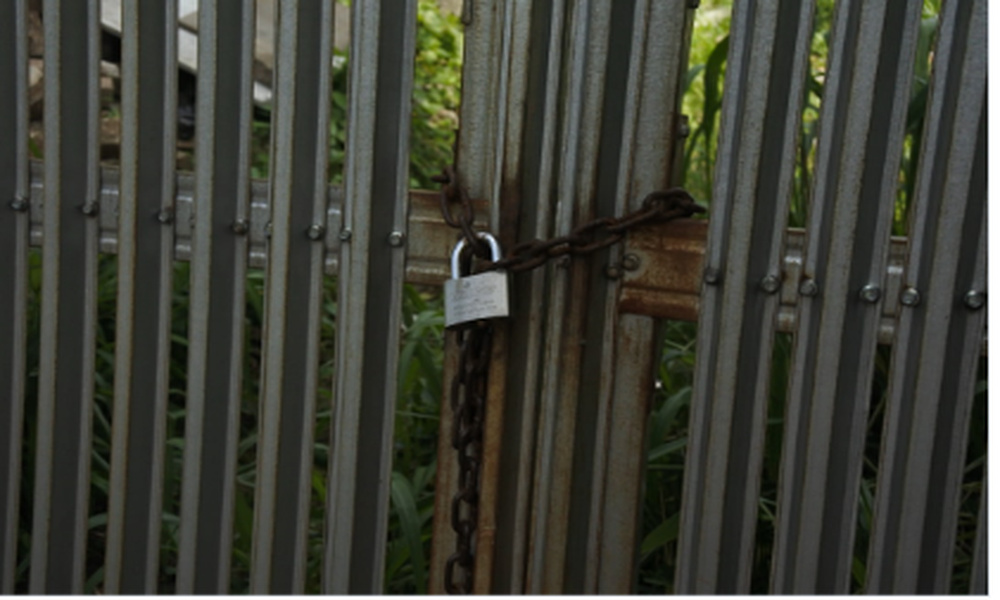 Negligent security often stems from property owners cutting corners, creating dangerous situations. It can be a broken gate that’s never fixed, a flickering light in a stairwell, or a security camera pointing at the ground. These oversights can have devastating consequences. Certain properties have higher risks and are common locations for these claims:
 - Apartment complexes: Vulnerable due to broken entry gates, poor lighting, and unsecured common areas.
- Hotels and motels: Guests are unfamiliar with their surroundings, making them targets in poorly lit parking lots or rooms with faulty locks.
- Parking lots and garages: Often isolated and poorly monitored, providing cover for criminal activity.
- Bars and nightclubs: Inadequate security personnel or poor crowd control can lead to serious assaults.
- Shopping malls and ATMs: These areas can become dangerous without proper surveillance, especially in isolated spots or after hours.
- Inadequate or broken lighting in critical areas
- Broken locks, doors, or gates allowing unauthorized access
- Non-functional or poorly positioned security cameras
- Lack of adequate security guards or personnel
- Poorly trained staff who can’t respond to incidents
- Unsecured entry points and propped-open doors
- Blocked emergency exits preventing escape
What Types of Incidents Fall Under Negligent Security?
The crimes resulting from negligent security are often violent and life-changing. These incidents could have been prevented if the property owner had taken reasonable security precautions. Common examples include:- Assault and battery: From bar fights to attacks in poorly lit areas.
- Robbery and muggings: Frequently occur in parking areas and near ATMs with failed security.
- Sexual assault: Often happens when buildings are not properly secured or lit.
- Kidnapping, stabbings, and shootings: Serious violent crimes that can result from major security lapses.
- Wrongful death: When a preventable crime leads to a fatality.

Building a Case: The Legal Elements of a Negligent Security Claim
Proving a negligent security claim requires building a solid legal foundation. A negligent security lawyer must establish four key elements:- Duty of Care: The property owner had a legal responsibility to provide reasonable security (e.g., for a customer in a store).
- Breach of Duty: The owner failed to meet that responsibility, such as by not fixing broken locks or providing adequate lighting.
- Causation: The security failure directly contributed to the criminal act and the victim’s injuries. Proving that better security would have prevented the harm is critical. The role of causation in a claim is a central part of the case.
- Damages: The victim suffered actual harm, including medical bills, lost income, and pain and suffering.
Pennsylvania’s Comparative Negligence Rule
In Pennsylvania, if you are found partially at fault for your injury, your compensation is reduced by your percentage of fault. However, you can still recover damages as long as you are found to be less than 51% at fault. It’s also important to know that Pennsylvania has a two-year statute of limitations for these claims, so acting quickly is essential.The Critical Role of Foreseeability
A key challenge is proving the crime was “foreseeable.” Owners are responsible for predictable, not random, acts of violence. Courts often use two tests:- Prior Similar Incidents Test: Examines whether similar crimes previously occurred on or near the property.
- Totality of the Circumstances Test: Considers broader factors like the property’s location in a high-crime area. Local crime grid data can help establish this.
What Evidence Is Needed to Prove a Claim?
Gathering evidence quickly is vital. Key pieces of evidence include:- Police reports and property incident reports
- Medical records documenting injuries
- Witness testimony
- Security camera footage (if available and functional)
- Maintenance and repair logs for security equipment
- Photos of the scene and injuries
- Analysis from security consultants
The Role of a Negligent Security Lawyer and Seeking Compensation
After a traumatic event, navigating the legal system is the last thing you should worry about. A negligent security lawyer can handle the complexities of your case so you can focus on healing. The process begins with a thorough investigation. We gather evidence like police reports, medical records, and maintenance logs. A key step is identifying all liable parties, which may include not only the property owner but also landlords, management companies, or security contractors. We handle all communications with their insurance companies, protecting you from lowball settlement offers. If a fair settlement cannot be reached, we are prepared to file a lawsuit and fight for you in court.How a Negligent Security Lawyer Proves Your Case
To prove your claim, we must demonstrate a clear link between the property’s security failures and your injuries. This involves:- Working with security consultants to identify how security fell short of industry standards.
- Reviewing the property’s history for prior crimes that the owner may have ignored.
- Interviewing witnesses and former employees about ongoing security issues.
- Demonstrating how reasonable, preventable measures—like fixing a lock or improving lighting—could have stopped the crime.
- Connecting the security lapse directly to your injury, which is the foundation of a successful claim.
What Compensation Can a Negligent Security Lawyer Help You Recover?
We fight to recover compensation for all the ways the incident has affected your life. Damages can be divided into two main categories: Economic damages cover your financial losses:- Medical expenses (current and future)
- Lost wages
- Loss of future earning capacity
- Pain and suffering
- Emotional distress and PTSD
- Scarring and disfigurement
Frequently Asked Questions about Negligent Security Claims
It’s natural to have questions after a traumatic incident. Here are answers to some common concerns about negligent security claims.How much is my negligent security case worth?
There is no simple answer, as every case is unique. The value depends on several factors:- The severity of your injuries: This includes both physical harm and psychological trauma like PTSD.
- Your total economic losses: This covers all current and future medical bills, lost wages, and reduced earning capacity.
- The strength of the evidence: Clear proof that the owner knew about risks and ignored them strengthens a case.
- Insurance policy limits: The amount of coverage available can cap the potential recovery.

