Skip to content
 Common Causes of Truck Brake Failure in Lancaster
Related Posts
Contact Us
Let Our Team Fight For You

Why Truck Brake Failure is a Critical Safety Concern
Truck brake failure represents one of the most dangerous mechanical issues on our roads today. When an 80,000-pound commercial vehicle loses its ability to stop, the consequences can be catastrophic for everyone nearby. Key Facts About Truck Brake Failure:- Stopping Distance: Loaded tractor-trailers require 20% to 40% more distance to stop than cars
- Accident Factor: Brake problems contribute to approximately 29% of large truck crashes
- Weight Impact: Commercial trucks can weigh up to 80,000 pounds (with permits allowing over 100,000 pounds)
- System Complexity: Trucks use air brake systems that operate differently from car brakes
The Mechanics of a Meltdown: How Truck Brakes Work and Why They Fail
Stopping a commercial truck weighing up to 80,000 pounds—or over 100,000 with permits—is a monumental task. The braking system must be incredibly powerful and reliable, but even robust systems can fail. To understand why truck brake failure occurs, it’s important to know how these systems work.How Air Brakes Differ from Car Brakes
Your car uses hydraulic brakes, where fluid pressure forces brake pads against rotors. Most commercial vehicles use air brake systems, a key difference when understanding failures. An engine-driven air compressor builds pressurized air, which is stored in air tanks. When the driver brakes, valves release this air into brake chambers at each wheel. Inside the chamber, air pressure moves a pushrod and a slack adjuster, which rotates an S-cam. The S-cam then forces brake shoes against the brake drum, creating friction to slow the wheel. Trucks have a fail-safe mechanism called spring brakes. Powerful springs are held back by air pressure. If air pressure drops too low, the springs automatically engage the brakes. While a valuable safety feature, it can cause sudden stops if the air system malfunctions. While some newer trucks are moving toward air disc brakes (similar to your car but still using air pressure), most commercial vehicles – especially trailers – still rely on the tried-and-true drum brake system.What is ‘Brake Fade’ and How Does Overloading Contribute?
A common cause of truck brake failure is brake fade. The friction required to stop tens of thousands of pounds creates intense heat. When used heavily, such as on long mountain descents, the friction creates intense heat, which is the enemy of effective braking. When brakes overheat, the linings can become glazed and slippery. Brake drums can expand from the heat, creating a gap so the brake shoes can’t make proper contact. The result is drastically reduced stopping power when it’s needed most. Overloading makes this scenario worse. A heavier truck requires more energy to stop. When trucks exceed weight limits or have improperly distributed loads, multiple problems arise. Overloaded trucks need more braking force, building heat faster. An unbalanced load causes uneven wear as some brakes work harder than others. Even good brakes on an overloaded truck will struggle, forcing drivers to use them longer and harder. This creates a vicious cycle: more brake use leads to more heat, reducing effectiveness and requiring even more use. Eventually, the brakes can fail, with devastating consequences, especially on a steep grade with an overloaded truck. If you’ve been hurt in an accident with an overloaded truck, understanding these mechanics is crucial. Our team at Metzger Wickersham can help you steer the complexities of trucking liability.Anatomy of a Truck Brake Failure: Common Causes and Red Flags
Truck brake failure is rarely a sudden event. It is usually the preventable result of a chain of events, often stemming from ignored maintenance or unaddressed mechanical problems. Brake issues are a factor in many crashes, according to the NHTSA. For vehicles that can weigh as much as 16 cars, these brake problems affect everyone on the road. Common Mechanical Causes of Truck Brake Failure
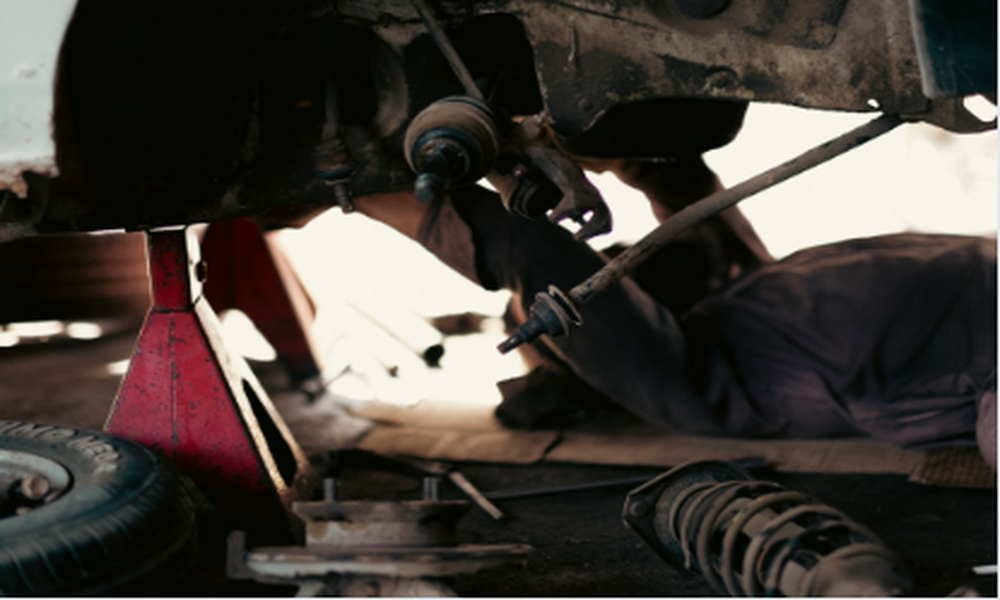
The air brake system has many components that must work together. When one fails, the results can be catastrophic. The most common culprits leading to truck brake failure include: Air line leaks are a frequent problem. The system relies on steady air pressure (100-120 psi). A leak can drain the system, and a major rupture can cause total brake loss. Leaks may also affect wheels unevenly, making the truck difficult to control while stopping. Faulty slack adjusters fail to maintain the correct distance between brake shoes and drums. This can lead to brakes that don’t engage properly or brakes that drag and overheat. Worn brake linings are like worn brake pads on a car. When they get too thin, they cannot create enough friction to stop the truck and are prone to overheating. The brake drums themselves can crack or warp from extreme heat and pressure. A cracked drum is a critical failure point that can give way suddenly. Water in the air system can disable brakes. If the air dryer fails, moisture can accumulate. In winter, this water can freeze and block air lines, leaving a driver with no way to stop. The treadle valve, or brake pedal, controls air flow to the brakes. If it malfunctions, it can prevent the brakes from applying or cause them to engage unexpectedly. An alarming and illegal practice is depowered front brakes, where companies reduce front brake power to save on maintenance. This removes crucial stopping power and is extremely dangerous.The Critical Role of Maintenance and Inspections
Preventing brake failure requires discipline. The Federal Motor Carrier Safety Administration (FMCSA) legally requires regular maintenance. Understanding Trucking Laws is crucial for determining responsibility when something goes wrong. Drivers must perform systematic pre-trip and post-trip inspections daily. This involves checking every critical component, including the entire braking system. During inspections, drivers must check that air pressure builds and stays steady. They listen for air leaks, watch gauges, and test the low air warning system. They visually inspect slack adjusters for proper limits, check brake linings for thickness and damage, and examine drums and rotors for cracks or overheating. Hoses and air lines must be free of damage, and trailer connections (gladhand fittings) must be sealed and leak-free. Maintenance logs document all service and repairs. These records are crucial evidence after an accident. Companies that falsify records or cut corners on maintenance can face serious legal consequences. Most truck brake failure incidents are preventable. They occur when a driver, company, or mechanic is negligent. When this negligence leads to a tragedy, determining who is responsible is essential for victims seeking justice.When the Brakes Give Out: A Driver’s Emergency Action Plan
Picture this: you’re behind the wheel of an 80,000-pound truck, cruising down a steep mountain grade, when you press the brake pedal and feel it sink to the floor with no resistance. Your heart races as you realize the unthinkable has happened – truck brake failure. This nightmare scenario requires split-second decisions that can mean the difference between life and death. The moment a truck driver realizes their brakes are failing is terrifying beyond words. That massive vehicle has suddenly become a runaway force of destruction, and panic is the natural human response. But panic is also the most dangerous enemy in this situation. Having a clear, practiced emergency action plan isn’t just helpful – it’s absolutely essential for survival.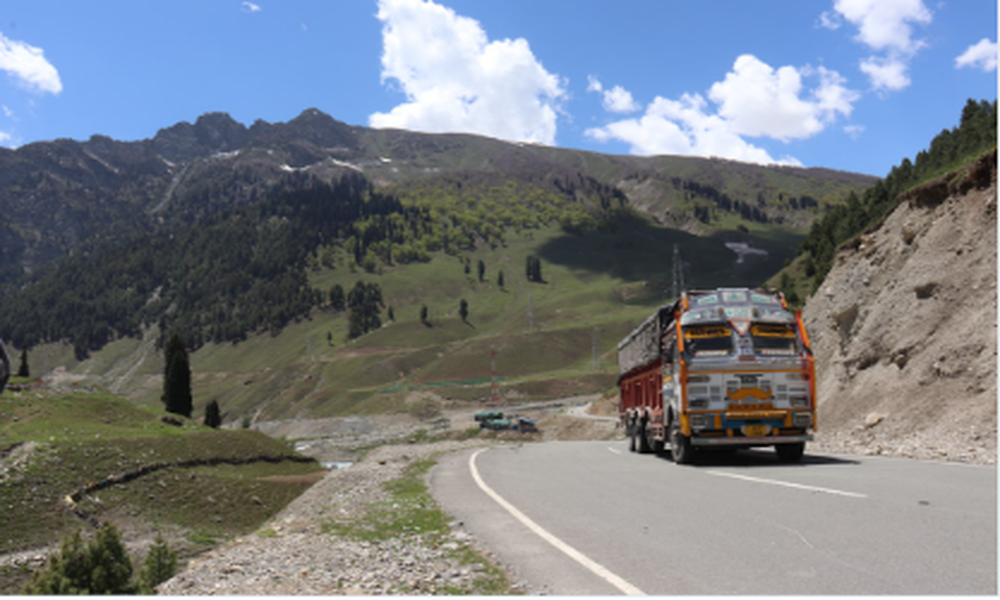
What to Do During a Brake Failure
When truck brake failure strikes, every second counts. Your actions in those first crucial moments will determine the outcome for you and everyone around you. Stay calm – this might sound impossible when you’re piloting a runaway truck, but keeping your head clear is your lifeline. Take a deep breath and focus on the steps ahead. Start downshifting immediately. This becomes your primary weapon against disaster. Work your way down through the gears systematically – don’t skip gears or you’ll risk over-revving the engine. The engine’s compression will help slow that massive vehicle, a technique called engine braking that can be surprisingly effective. Engage your engine retarder if your truck has one. Most drivers call it a “Jake Brake,” and it’s like having an extra set of brakes that use the engine itself to create resistance. This system can significantly help slow you down without relying on those failed friction brakes. Once you’ve reduced speed through downshifting and engine braking, you can carefully apply the parking brake. The key word here is “carefully” – slamming it on at high speed will lock up your wheels and send you into a dangerous skid or jackknife. Instead, apply it gradually, almost feathering it on to add more stopping power. If your truck has a dual brake system, try pumping the brake pedal rapidly – you might generate enough pressure to engage at least part of your braking system. Look for an escape route and steer toward safety. This could mean aiming for a wide shoulder, an open field, or the nearest exit ramp. Your goal is simple: get away from other vehicles and populated areas. Gentle steering movements are crucial here – your truck’s high center of gravity makes it prone to rollovers. Alert everyone around you by turning on your hazard lights immediately. Flash your brake lights if the electrical system still works, and lay on that horn. Make noise, make yourself visible, and give other drivers every possible warning that danger is coming their way. If you’re on a mountain pass and facing a complete brake failure, watch for runaway truck ramps. These uphill lanes filled with sand or gravel are specifically designed for this exact emergency. They might look intimidating, but they’re incredibly effective at stopping runaway vehicles safely.What NOT to Do During a Brake Failure
Sometimes knowing what not to do is just as important as knowing the right actions. These mistakes can turn a survivable emergency into an absolute catastrophe. Never turn off your engine during brake failure. You need that engine running for power steering, engine braking, and other critical systems. Shutting it off removes your remaining control options when you need them most. Don’t shift into neutral – this completely disconnects the engine from the wheels, eliminating any chance of engine braking. Without that connection, you’ll free-roll and pick up speed rapidly, making an already dangerous situation much worse. Avoid shifting into reverse while moving forward. This can destroy your transmission and potentially lock up the drive wheels, causing you to lose control entirely. It’s a desperate move that usually makes things worse. Resist making sudden steering movements. With compromised braking and a high center of gravity, sharp turns can easily cause rollovers or jackknifing. Keep your steering inputs smooth and controlled, even when every instinct tells you to jerk the wheel. Experiencing truck brake failure is every driver’s worst nightmare, but preparation and calm thinking can save lives. The drivers who survive these emergencies are the ones who’ve practiced these procedures and can execute them under pressure. If you or someone you care about has been involved in an accident where brake failure played a role, understanding what should have happened can be crucial for determining liability.The Aftermath: Liability and Legal Steps After a Brake Failure Accident
When truck brake failure causes an accident, the aftermath is often heartbreaking. The sheer weight and momentum of an 80,000-pound commercial vehicle can turn what might be a minor fender-bender in a car into a life-changing tragedy. Victims frequently face catastrophic injuries like traumatic brain injuries, spinal cord damage, amputations, and severe burns. In the worst cases, families must cope with the unthinkable loss of a loved one. Beyond the immediate physical and emotional trauma, the practical challenges begin to mount. Medical bills pile up quickly when dealing with serious injuries. Lost wages become a pressing concern when victims can’t return to work. And then there’s the daunting task of figuring out who’s responsible for this preventable tragedy.Who Can Be Held Liable?
Here’s where things get complicated. Unlike a typical car accident where fault usually lies with one of the drivers, truck brake failure accidents often involve multiple parties who may share responsibility. The truck driver bears significant responsibility for ensuring their vehicle is safe to operate. If they skipped their mandatory pre-trip inspections, ignored obvious warning signs like spongy brakes or air leaks, or misused the braking system (like riding the brakes down a steep grade until they overheated), they could face liability for negligence. The trucking company often carries the heaviest burden of responsibility. These companies can be held liable when they cut corners on safety. This might mean failing to maintain proper brake service schedules, ignoring known mechanical problems to keep trucks on the road, or pressuring drivers to operate unsafe vehicles. Sometimes they improperly load trucks or allow dangerous overloading that puts excessive strain on brake systems. Poor driver training on brake systems and emergency procedures can also make companies liable. Maintenance and repair shops enter the picture when faulty work contributes to brake failure. If an outside mechanic used substandard brake parts, performed shoddy repairs, or missed obvious defects during routine inspections, they may share responsibility for the resulting accident. Parts manufacturers can face liability when defective brake components cause failures. This might involve design flaws in brake drums, faulty air valves, or manufacturing defects in brake linings. Product liability cases against manufacturers require proving the part was defective and directly contributed to the accident. Loading companies sometimes play a role when third-party companies handle truck loading. Improper weight distribution can cause uneven brake wear, while overloading puts dangerous stress on brake systems. If their negligent loading practices contributed to brake failure, they may share liability.Investigating the Crash and Proving Fault
Proving fault in a truck brake failure accident requires swift action and thorough investigation. Trucking companies and their insurance providers waste no time protecting their interests after an accident. They’ll often have teams on the scene within hours, gathering evidence and building their defense. Preserving the truck itself becomes the top priority. The vehicle contains the most crucial evidence, and it must be examined by independent investigators before anyone can alter or repair it. Every brake component, air line, and mechanical part needs detailed inspection to determine exactly what failed and why. Black box data from the truck’s Electronic Control Module provides invaluable insights. These devices record everything from speed and braking activity to engine performance and fault codes in the moments leading up to the crash. This digital evidence can reconstruct the accident with remarkable precision. Driver logs and maintenance records tell the story of what happened before the accident. Hours-of-Service logs reveal whether driver fatigue played a role, while maintenance records show whether brake problems were ignored or improperly addressed. These documents often reveal patterns of negligence that contributed to the failure. Professional accident reconstruction brings together mechanical engineers and safety specialists who can analyze all the physical evidence and data. They determine not just what caused the brake failure, but how it could have been prevented. Police reports and witness statements provide additional pieces of the puzzle. Our team at Metzger Wickersham understands the complex nature of these investigations. We know how to gather and preserve critical evidence before it disappears. We work with qualified professionals who can analyze brake systems and reconstruct accidents to build the strongest possible case for our clients. Understanding how to prove fault in these complex cases makes all the difference in achieving justice for victims and their families.Frequently Asked Questions about Truck Brake Failure
When it comes to truck brake failure accidents, families and victims often have urgent questions about what happened, who’s responsible, and what regulations exist to prevent these tragedies. Here are the most common questions we hear, along with clear answers based on federal data and safety regulations.How common is brake failure in truck accidents?
Truck brake failure and brake-related problems play a significant role in commercial vehicle crashes. The Large Truck Crash Causation Study (LTCCS) found that brake problems were a contributing factor in approximately 29% of crashes studied. That’s nearly one in three accidents involving large trucks. However, it’s important to understand the bigger picture. While brake issues are alarmingly common, they often work hand-in-hand with other problems. Driver-related factors like speeding, fatigue, and distraction frequently combine with brake problems to create the perfect storm for disaster. Think of it this way: a tired driver might ride their brakes too hard going down a mountain, leading to brake fade. Or someone speeding might find their poorly maintained brakes can’t handle the extra stopping distance needed. The brake problem might not be the only cause, but it’s often the final piece that turns a dangerous situation into a catastrophic one.What are the FMCSA regulations for truck brake inspections?
The Federal Motor Carrier Safety Administration (FMCSA) doesn’t mess around when it comes to brake safety. They’ve created strict rules designed to catch truck brake failure before it happens on the road. Daily inspections are mandatory. Every single day, before and after trips, drivers must thoroughly inspect their brake systems. This isn’t a quick glance-over either. They need to check air pressure levels, listen for air leaks, examine hoses and connections, inspect brake drums and linings, and test both the service brakes and parking brakes. Company responsibilities go much deeper. Trucking companies must maintain systematic inspection, repair, and maintenance programs. They can’t just hope their drivers catch everything. Companies need scheduled maintenance, qualified mechanics, and detailed record-keeping of every brake-related repair or inspection. These records become crucial evidence when accidents happen. If a company skipped maintenance or ignored known brake problems, those records (or lack thereof) can prove negligence in court.Can a trucking company be held responsible for a brake failure accident?
Absolutely, and this happens more often than you might think. Trucking companies have a legal duty to maintain safe vehicles, and when truck brake failure causes an accident, their role gets scrutinized intensely. Maintenance negligence is a common issue. If a company failed to follow proper maintenance schedules, ignored driver reports of brake problems, or used unqualified mechanics to save money, they can be held liable for resulting accidents. Pressure and policies matter too. Some companies create dangerous environments by pressuring drivers to operate unsafe vehicles, skip inspections to meet delivery deadlines, or violate hours-of-service rules that lead to driver fatigue and poor decision-making. Loading practices can also make companies liable. Overloading trucks or allowing improper weight distribution puts enormous stress on brake systems, making failure more likely. The key is proving that the company’s actions (or inactions) contributed to the brake failure. Our team knows how to investigate these complex relationships between company policies, maintenance records, and accident causes. When trucking companies cut corners on safety, they need to be held accountable for the devastating consequences.Navigating the Road to Justice
The road ahead after a truck brake failure accident can be long and challenging. The physical and emotional toll, coupled with the complex legal landscape, can feel overwhelming. At Metzger Wickersham, we understand the profound impact such collisions have on individuals and families. Our team is dedicated to providing compassionate and thorough legal representation for victims across Pennsylvania. If you or a loved one has been impacted by a collision involving a commercial truck, understanding your rights is the first step toward recovery. We are here to listen, provide guidance, and fight for your rights every step of the way. Don’t face this challenging time alone—reach out to us and let us help you pursue the justice and financial compensation you deserve.