 Skip to content
 Need a Lawyer for a Dog Bite? We’ve Got You Covered

Related Posts
Contact Us
Let Our Team Fight For You

Why You Need Legal Help After a Dog Bite
 Lawyers that handle dog bites can help you recover compensation for medical bills, lost wages, and emotional trauma after a dog attack. Here’s what you need to know: Key Services a Lawyer for a Dog Bite Provide:
 - Calculate the full value of your claim (medical costs, lost income, pain and suffering)
- Investigate the dog’s history and owner negligence
- Handle all insurance company negotiations
- Gather crucial evidence like witness statements and medical records
- Steer state-specific liability laws and deadlines
- Immediately after seeking medical treatment
- If injuries are severe or require ongoing care
- When insurance offers seem too low
- If the dog owner’s insurance denies your claim
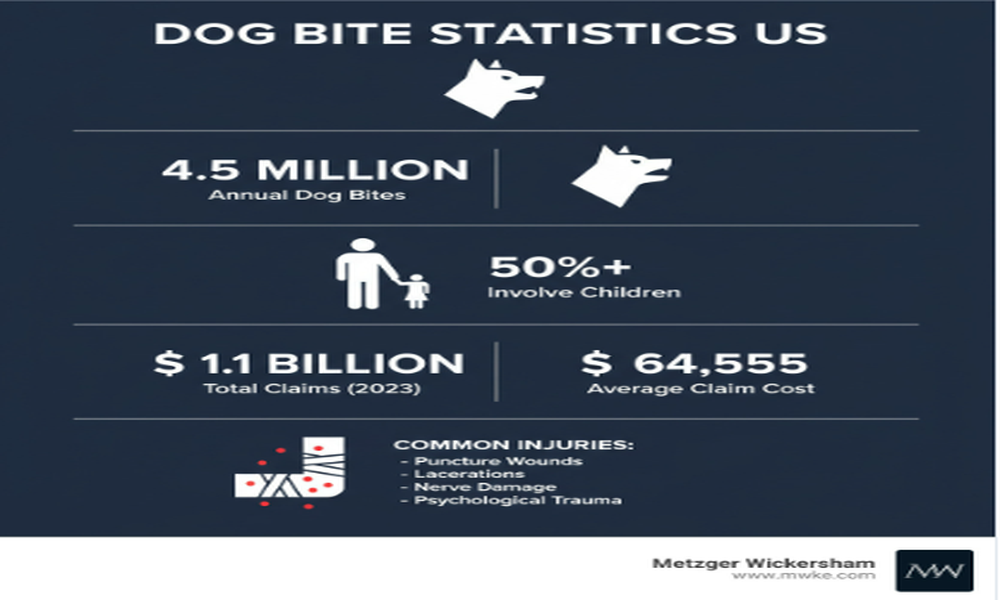
What to Do Immediately After a Dog Bite
Being attacked by a dog can happen so quickly that you might feel shocked and confused afterward. Your heart is probably racing, you might be in pain, and you’re not sure what to do next. Take a deep breath – we’re here to help you understand exactly what steps to take. The actions you take in the first few hours after a dog bite can make a huge difference for your health and any potential legal case. While it might feel overwhelming, following these steps will help protect both your physical well-being and your legal rights.Essential First Steps for Your Health and Safety
Your health comes first, always. Even if the bite doesn’t look too serious, dog bites can be deceiving. What seems like a small puncture wound on the surface might be much deeper, and infections are a real concern. Start by stopping any bleeding. Apply firm, direct pressure to the wound using a clean cloth or towel. Don’t worry if you don’t have medical supplies nearby – even a clean shirt will work in a pinch. Next, you’ll want to clean the wound thoroughly. The National Library of Medicine recommends washing the wound gently with mild soap and warm water for several minutes. This step is crucial for reducing your risk of infection. It might sting, but it’s worth doing properly. Apply antibiotic ointment if you have it available. Any over-the-counter antibiotic ointment will help prevent bacteria from taking hold in the wound. Cover the area with a clean, sterile bandage to keep dirt and germs out while you seek medical care. Here’s the most important part: get medical attention right away. Even if you think the bite isn’t that bad, a healthcare professional should examine it. You might need stitches, a tetanus shot, or antibiotics. Dog mouths contain bacteria that can cause serious infections, and there’s always the concern about rabies if the dog’s vaccination status is unknown. Plus, having medical records from right after the incident will be valuable if you decide to work with lawyers that handle dog bites later on.
Documenting the Incident to Protect Your Rights
Once you’ve taken care of your immediate medical needs, it’s time to think about protecting your legal rights. The evidence you gather now could be crucial if you need to file a claim later. Take photos of everything you can. Use your phone to capture clear pictures of your injuries from multiple angles. The wound might look different in a few days as it begins to heal, so these initial photos are important. Also photograph the location where the attack happened – was there a broken fence? No leash? These details matter. Get the dog owner’s information immediately. You’ll need their full name, address, phone number, and if they’re willing to share it, their homeowner’s insurance information. If the owner isn’t around or refuses to cooperate, contact the police or local animal control right away. Don’t let them disappear without getting this crucial information. Talk to any witnesses who saw what happened. People are usually willing to help after seeing someone get hurt. Ask for their names and phone numbers – their independent account of what happened could be invaluable later. Even if they only saw part of the incident, their testimony might fill in important gaps. Report the bite to animal control or local authorities. This creates an official record of what happened and starts an investigation into the dog’s history. Has this dog bitten anyone before? Are there other complaints? This information helps build your case and protects other people in your community from future attacks.Common Dog Bite Injuries
Dog attacks can cause much more damage than people realize. The powerful jaws and sharp teeth can create injuries that go far beyond what you can see on the surface. Puncture wounds are extremely common and can be deceptively dangerous. These deep holes can damage muscles, nerves, and blood vessels underneath your skin. Lacerations – those jagged tears in your skin – often need stitches and can leave permanent scars. Nerve damage is a serious concern, particularly if you were bitten on your hands, face, or limbs. Some people lose feeling or function in the affected area permanently. Scarring and disfigurement can require multiple surgeries to repair, especially when the bite is on visible areas like your face or arms. Infections are always a risk with dog bites. The bacteria in a dog’s mouth can cause cellulitis, staph infections, and in rare cases, rabies or tetanus if the dog wasn’t properly vaccinated. Broken bones can happen when larger, more powerful dogs bite down with significant force. Don’t underestimate the emotional and psychological impact of being attacked by a dog. Many victims develop anxiety, fear of dogs, nightmares, or even post-traumatic stress disorder. Children are particularly vulnerable to these lasting emotional effects. This trauma is real, and it’s something that lawyers that handle dog bites understand and can help you seek compensation for. The road to recovery from a dog bite often involves ongoing medical care, therapy, and sometimes reconstructive surgery. You shouldn’t have to face this journey alone or bear these costs by yourself.Understanding Dog Bite Laws and Liability
 Dog bite laws can feel like a maze, with each state having its own rules and approaches. The truth is, lawyers that handle dog bites need to understand these differences because they can dramatically affect your case. What might be a straightforward claim in one state could require much more evidence in another.
 Who is Legally Responsible for a Dog Bite?
When a dog bites someone, figuring out who’s responsible isn’t always as simple as pointing to the owner. While the dog owner is usually the main person held accountable, especially if they knew their dog had aggressive tendencies or failed to control it properly, the responsibility can sometimes spread to others. Landlords might find themselves in legal hot water if they knew a tenant’s dog was dangerous but didn’t take reasonable steps to protect other people. Similarly, property owners who aren’t the dog’s owner could share liability if the bite happened on their property and they failed to maintain a safe environment or properly secure the dog. Don’t forget about keepers or caretakers either. If someone was temporarily watching the dog – like a dog sitter or walker – and their negligence led to the bite, they could be held responsible too.Strict Liability vs. The “One-Bite Rule”
This is where things get really interesting, and frankly, a bit frustrating for victims. The legal standard for proving who’s at fault varies dramatically depending on where you live. Pennsylvania, on the other hand, generally follows what’s called the “one-bite rule” or negligence standard. This doesn’t literally mean every dog gets one free bite – that’s a common misconception. Instead, it means you usually need to prove the owner knew or should have known their dog was dangerous. This might come from previous bites, complaints from neighbors, or the owner’s own admissions about their dog’s behavior.Common Defenses in a Dog Bite Case
Dog owners and their insurance companies don’t just roll over when faced with a claim. They’ll often argue that the victim somehow contributed to or caused the incident. Provocation is probably the most common defense you’ll hear. The owner might claim you teased, hit, or otherwise antagonized their dog. What counts as provocation can be tricky – even accidentally stepping on a dog’s tail might be considered provocation in some cases. Trespassing is another favorite defense. If you were on someone’s property without permission when the bite occurred, they might argue they don’t owe you the same level of protection they’d owe an invited guest. Comparative negligence comes into play when they argue you were partially at fault. Maybe they’ll say you ignored warning signs or didn’t follow the owner’s instructions about how to interact with their dog. Finally, there’s the assumption of risk. This applies when you voluntarily put yourself in a situation where you knew there was a chance of getting bitten – like volunteering at an animal shelter or agreeing to pet a dog the owner warned you about.What is the Statute of Limitations?
Here’s something that catches a lot of people off guard: you can’t wait forever to file a lawsuit. Each state sets a deadline, and if you miss it, you’re generally out of luck – no matter how strong your case might be. Two years might sound like plenty of time, but it goes by faster than you’d think. Between dealing with medical treatment, insurance companies, and just trying to get your life back to normal, time has a way of slipping away. Plus, lawyers that handle dog bites need time to investigate your case properly, gather evidence, and build a strong claim. The bottom line? Don’t wait. The sooner you reach out for legal help, the better your chances of preserving crucial evidence and keeping all your options open.Why You Need A Lawyer for Dog Bite That Handle Dog Bites
After a dog bite, the thought of navigating the legal system might feel overwhelming. That’s where lawyers that handle dog bites come in. Our firm, Metzger Wickersham, has been assisting injured individuals across Pennsylvania for over 135 years, focusing on securing justice and compensation for our clients. We bring that extensive experience to every case, including those involving dog bites.Calculating the Full Value of Your Claim
One of the most critical roles we play is ensuring that all your damages are accurately calculated and accounted for. This goes beyond just immediate medical bills. Your claim can include both economic and non-economic damages: Economic Damages: These are quantifiable financial losses.-
- Medical Bills: Current and future costs for doctor visits, emergency room care, surgeries, medications, physical therapy, and counseling.
- Lost Wages: Income you’ve lost due to time off work for recovery or appointments.
- Future Lost Earning Capacity: If your injuries prevent you from returning to your previous job or earning the same income.
- Property Damage: If the dog damaged any personal property during the attack.
-
- Pain and Suffering: Compensation for the physical discomfort and emotional distress caused by the bite.
- Emotional Distress: Including anxiety, fear, and PTSD resulting from the traumatic event.
- Disfigurement: Compensation for permanent scarring, which can have significant psychological impacts.
- Loss of Enjoyment of Life: If your injuries prevent you from participating in activities you once enjoyed.
- Loss of Consortium: In cases of severe injury, this compensates a spouse for the loss of companionship and support.
What do lawyers that handle dog bites investigate?
Building a strong dog bite case requires a thorough investigation. Our dedicated team approaches each case with a comprehensive strategy, examining every detail to establish liability and maximize your compensation. Here’s what we typically investigate:- The Dog’s History: We look into whether the dog has a record of prior aggressive behavior or bites. This includes contacting animal control, reviewing veterinary records, and interviewing neighbors. Even if a state follows a strict liability rule, a history of aggression can strengthen a case.
- Leash Law Violations: Many municipalities have leash laws. If the dog was off-leash in violation of a local ordinance when the bite occurred, this can establish “negligence per se,” meaning the owner is automatically presumed negligent due to breaking the law.
- Property Conditions: We assess the security of the property where the dog was kept, checking for inadequate fencing, gates, or other enclosures that may have allowed the dog to escape or reach a victim.
- Owner’s Negligence: We evaluate the owner’s actions or inactions that contributed to the bite, such as failing to properly train, restrain, or supervise the dog, or failing to warn others of the dog’s known aggressive tendencies.
Dealing with Insurance Companies
After a dog bite, you’ll likely find yourself dealing with the dog owner’s insurance company, most often their homeowner’s or renter’s insurance. This can be a challenging process, as insurance adjusters are trained to minimize payouts.- Role of Homeowner’s Insurance: Most homeowner’s and renter’s insurance policies provide liability coverage for dog bites. This means that if the dog owner is found liable, their insurance company will typically be responsible for paying your damages.
- Adjuster Negotiation Tactics: Insurance adjusters may try to get you to make recorded statements, downplay your injuries, or offer a quick, lowball settlement that doesn’t cover your full losses. They might also try to shift blame to you, claiming provocation or trespassing.
- How a Lawyer Handles All Communication: When you retain our firm, we handle all communications with the insurance company. This protects you from making statements that could harm your claim and ensures that your rights are always protected. Our team has extensive experience negotiating with insurance providers, advocating tirelessly for the compensation you deserve.
- What to Do if a Claim is Denied: If an insurance company denies your claim, it can be incredibly frustrating. However, a denial is not the end of the road. We can investigate the reason for the denial, challenge the insurer’s decision, and, if necessary, pursue a bad faith claim against the insurance company for their improper handling of your case. Our goal is to ensure you receive the compensation you’re entitled to.

