 Skip to content
 Steps to Take After an Uber/Lyft Accident in Harrisburg PA
Related Posts
Contact Us
Let Our Team Fight For You

When Rideshare Convenience Turns Into Crisis
An Uber Lyft accident can happen to anyone, anywhere, turning what should be a simple ride into a complex legal and insurance nightmare. Whether you’re a passenger, driver, or someone hit by a rideshare vehicle, knowing the right steps to take immediately after the crash can protect your health, your rights, and your financial future. Quick Action Steps After an Uber/Lyft Accident:- Ensure Safety – Move to a safe location if possible
- Call 911 – Get police and medical help on scene
- Document Everything – Photos, driver info, witness contacts
- Seek Medical Care – Even if you feel fine initially
- Report to Rideshare Company – Use the app’s incident reporting feature
- Contact a Lawyer – Before speaking with insurance companies
Common Causes of an Uber Lyft Accident
While the convenience of ridesharing is undeniable, it also introduces unique factors that can contribute to accidents. Our experience in handling car and truck accidents for over 135 years has shown us that many accidents stem from negligence. When it comes to rideshare vehicles, some common causes include:- Distraction from the Rideshare App: Drivers are constantly interacting with the app—accepting requests, navigating, and managing payments. This can lead to significant distraction, taking their eyes and attention away from the road, a phenomenon often referred to as “app distraction.”
- Driver Fatigue: Rideshare drivers often work long or irregular hours, sometimes in addition to other full-time jobs, to maximize their earnings. This can lead to severe fatigue, impairing their reaction times and judgment, making them more prone to accidents.
- Pressure to Drive Faster: Drivers might feel pressured to complete rides quickly to improve their ratings, increase their earning potential, or get to the next pickup. This can result in speeding, aggressive driving, or ignoring traffic signals.
- Unfamiliarity with Roads: Rideshare drivers might be navigating unfamiliar areas, relying heavily on GPS, which can divert their attention and lead to sudden maneuvers or missed turns.
- Negligent Driving: Just like any other driver, rideshare operators can engage in negligent behaviors such as driving under the influence of alcohol or drugs, tailgating, failing to yield, or making unsafe lane changes.
- Passenger Distraction: While less common, sometimes passengers can cause distractions for the driver, leading to a lapse in attention that results in an accident.
Critical First Steps to Take at the Scene
The moments right after an Uber Lyft accident can feel overwhelming. Your heart is racing, your mind is spinning, and you might not be thinking clearly. But the actions you take in these crucial first minutes can make all the difference for your health, your insurance claim, and your future. Take a deep breath. Your safety comes first. If your vehicle can move and it’s safe to do so, carefully drive to the shoulder or a nearby parking lot. Getting out of traffic protects everyone involved and gives you space to think clearly. Call 911 right away. Even if the accident seems minor, this call is one of the most important things you can do. The police will create an official report that documents exactly what happened – the time, location, who was involved, and their initial thoughts about what caused the crash. This report becomes powerful evidence later when insurance companies start asking questions. If anyone is hurt, paramedics can provide immediate care. Sometimes injuries that seem minor at first can be more serious than they appear. Having medical professionals check everyone over is always the smart choice. Here’s something that might surprise you: don’t apologize or say the accident was your fault, even if you think it might have been. We know it feels natural to say “I’m sorry” when something bad happens – it’s human nature. But insurance companies can twist these words later to avoid paying your claim. Just stick to the facts about what you saw and experienced.
 Gather Crucial Documentation and Evidence
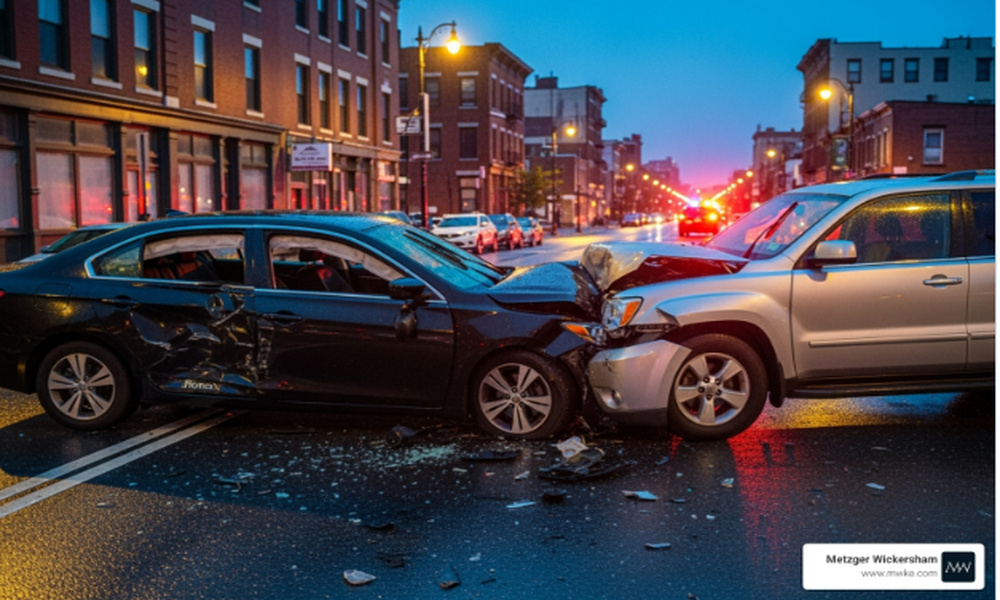
Once everyone is safe and help is on the way, it’s time to become a detective. The evidence you collect right now could be worth thousands of dollars later.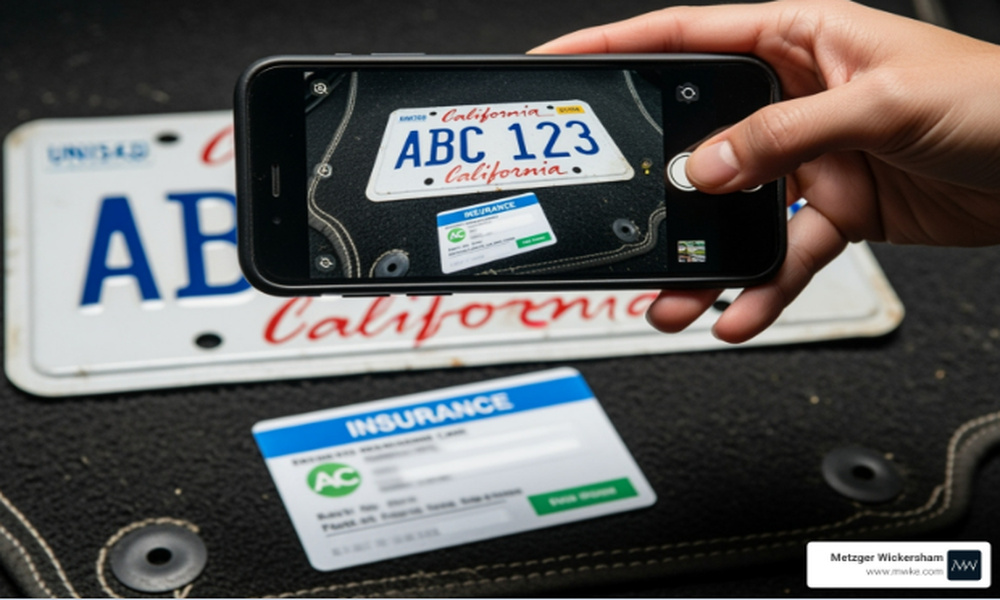 Your smartphone is your best friend here. Start taking photos of everything you can see. Capture the damage to all vehicles from different angles – you want insurance adjusters to see exactly what happened. Photograph where each car ended up after the crash, because this shows how the accident unfolded. Don’t forget about the road itself. Take pictures of any skid marks, broken glass, or debris. If there are traffic lights or stop signs nearby, photograph those too. The weather and lighting conditions matter, so capture the overall scene. Now comes the information gathering. You’ll need details from the rideshare driver, including their full name, phone number, driver’s license, and insurance information. This is where rideshare accidents get tricky – you also need to know if they were logged into the Uber or Lyft app, whether they were heading to pick up a passenger, or if they had someone in the car. This detail determines which insurance policy will cover your damages. Get contact information from any passengers who were in the rideshare vehicle with you. Talk to witnesses if there are any – their unbiased account of what happened can be incredibly valuable. People have a tendency to remember things differently as time passes, so getting their contact information right now is crucial. If you were a passenger, take a screenshot of your ride details in the app before closing it. This proves you were using the service and helps establish the timeline of events.
 Seek Immediate Medical Attention
Here’s something that catches many people off guard: you might feel perfectly fine right after an Uber Lyft accident, but that doesn’t mean you aren’t injured. Adrenaline is powerful stuff – it can mask pain and make you feel like you could run a marathon when you actually have serious injuries. We’ve seen this happen countless times over our 135 years of handling accident cases. Someone walks away from a crash feeling great, only to wake up the next morning barely able to move their neck. Whiplash, concussions, and soft tissue injuries often don’t show symptoms for hours or even days. See a doctor immediately, even if you feel fine. This isn’t just about your health (though that’s the most important part). Getting medical attention right away creates an official record of your injuries. When insurance companies start questioning whether your injuries are really from the accident, medical records from the day of the crash are hard evidence they can’t dispute. Follow through with all your medical appointments and treatments. Keep every receipt, every bill, and every medical record. These documents tell the story of how the accident affected your life and form the foundation of your compensation claim. For a deeper look at common injuries from vehicle accidents, you can read more about car accident injuries.Report the Accident to the Rideshare Company
Both Uber and Lyft require you to report accidents through their apps, but this step needs to be handled carefully. Open the app and look for the safety or help section – both companies have dedicated ways to report incidents. When you make this report, stick to basic facts only. State that an accident occurred, provide the date, time, and location, but don’t get into detailed explanations about what you think happened or who might be at fault. Anything you say in this report could be used later by the company’s insurance team. Uber provides specific guidance on how to report crashes through their platform. Make sure to preserve all your ride data – the trip details, timing, and driver information are crucial for determining which insurance policy applies to your situation. The rideshare company will start their own investigation, but remember: they’re looking out for their bottom line, not your well-being. That’s why having your own documentation and legal representation becomes so important as you move forward with your claim.Understanding Insurance and Liability in an Uber Lyft Accident
This is where Uber Lyft accident cases truly become a different beast entirely. The insurance landscape for ridesharing isn’t just complicated – it’s like trying to solve a puzzle where the pieces keep changing shape depending on what the driver was doing when the crash happened. Think about a typical car accident. Usually, you’re dealing with two drivers and their personal auto insurance policies. Pretty straightforward, right? Now imagine adding commercial policies worth millions of dollars, corporate legal teams, and coverage that changes depending on whether a driver’s phone app was on or off. That’s the reality of rideshare accidents. The complexity comes from the fact that rideshare drivers exist in a gray area between personal and commercial driving. One moment they’re driving to pick up groceries (personal coverage), the next they’re heading to collect a passenger (commercial coverage). Determining fault becomes just one piece of the puzzle – figuring out which insurance company actually has to pay can be equally challenging. Multiple parties could potentially be liable in your Uber Lyft accident. This might include the rideshare driver themselves, the rideshare company, other drivers involved in the crash, or even third parties like vehicle manufacturers if a defect contributed to the accident. Each potentially liable party brings their own insurance coverage into the mix.
