 Skip to content
 Falling Object-Personal Injury Lawyer in Wilkes-Barre
Related Posts
Contact Us
Let Our Team Fight For You

Every 10 Minutes, Another Worker Gets Hit: Understanding Falling Object Injuries in Wilkes-Barre
A falling object injury occurs more often than people realize, with over 42,400 workers struck each year in the U.S. These accidents cause everything from minor cuts to fatal injuries, making them a top safety concern in many industries. A falling object injury is any harm caused by tools, materials, or debris falling from a height. It can happen at construction sites, warehouses, or even retail stores, and can be caused by small items like bolts or large objects like steel beams. Common injuries include: - Head and brain injuries (TBIs)
- Spinal cord damage
- Broken bones
- Deep cuts and lacerations
- Internal organ damage
The Science of Impact: How Falling Objects Cause Severe Harm
An eight-pound wrench dropped from 200 feet can hit with the force of a small car. This is the frightening reality of physics at work, where gravity accelerates falling objects, turning even small items into dangerous projectiles. Even small items can be deadly. A one-pound tape measure falling fifty floors killed a delivery driver, and an object weighing just two pounds falling from 150 feet can be fatal. This explains why there were 238 workplace fatalities from falling objects in 2022, representing nearly half of all “struck by” incidents. These accidents often result in Catastrophic Injury claims because of their life-changing nature.Common Types of Injuries Sustained
The human body isn’t built to handle the crushing force of falling objects. When impact occurs, the results are often severe.- Head injuries: These are a primary concern. Even with a hard hat, a falling object can cause concussions or severe traumatic brain injuries (TBIs), leading to skull fractures and permanent cognitive changes. Learn more on our Brain Injuries page.
- Spinal cord damage: An impact to the back, neck, or head can damage the spine, leading to chronic pain or paralysis.
- Broken bones: Victims often suffer multiple fractures in their skull, arms, legs, and ribs.
- Lacerations and Internal Damage: Sharp objects cause deep cuts with a high risk of infection. The blunt force can also rupture internal organs, leading to life-threatening complications.
- Amputations: In extreme cases, limbs can be crushed or severed.
The Shocking Statistics
The numbers behind falling object accidents are alarming. In construction, struck-by incidents caused 20% of all non-fatal injuries in 2022, and 89 workers died from falling objects or equipment. Across all industries, OSHA records over 42,400 “struck by falling object” incidents annually. That’s 116 workers injured daily, or one every 10 minutes. Certain groups face higher risks; for example, workers aged 35-54 account for 42% of fatal struck-by incidents. These aren’t just numbers; they represent people whose lives were changed instantly. Victims often need to steer complex Workers Compensation claims to get the support they need.Where and Why Accidents Happen: Common Causes of Falling Object Incidents
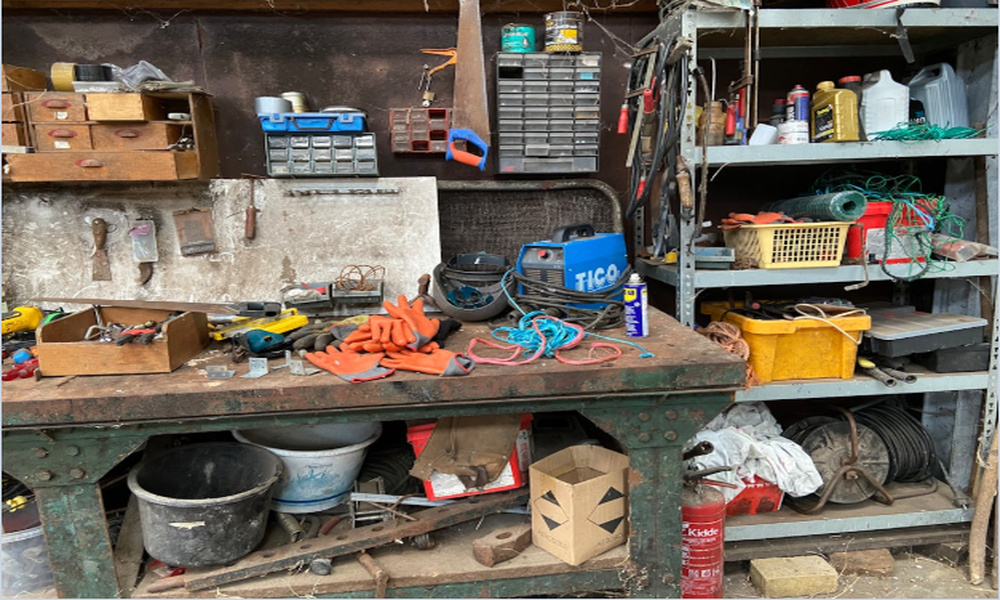 Falling object injury incidents are almost always preventable, typically resulting from mistakes, shortcuts, or safety oversights. Common causes include:
 - Improperly secured tools and materials: A wrench left on scaffolding or an unstable stack of lumber can easily fall due to vibrations or wind.
- Equipment failure: Malfunctioning cranes, broken hoists, or overloaded lifting equipment can lead to catastrophic failures.
- Poor housekeeping: Cluttered work areas create trip hazards that can send tools or materials flying.
- Inadequate training: Workers who don’t recognize hazards are more likely to make dangerous mistakes.
- Environmental factors: Wind, rain, or ice can turn secured items into falling hazards.
On Construction Sites
Construction sites are high-risk environments for falling object injury cases due to work at multiple heights and heavy equipment operation.- Scaffolding: Loose tools or debris left on scaffolding planks are common hazards.
- Cranes and hoists: Rigging failures, shifting loads, or operator error can endanger everyone below.
- Unsecured building materials: Steel beams, lumber, and pallets of bricks are all potential hazards if not properly secured or stacked.
- Hand tools and debris: Even small tools and accumulated debris like broken concrete can cause serious injury when falling from a height.
In Stores and Warehouses
Retail stores and warehouses also see their share of falling object injury incidents, often involving unsuspecting customers.- Improperly stacked merchandise: Overstocked or poorly balanced items on high shelves can fall, triggered by vibrations or customers reaching for products.
- Forklift accidents: In warehouses and large stores, operator error or unsecured loads on forklifts can be devastating.
- Faulty shelving: Poorly installed, overloaded, or damaged shelving units can collapse without warning.
A Framework for Safety: Preventing a Falling Object Injury
Preventing a falling object injury requires a comprehensive safety approach focused on stopping objects from falling in the first place. Employer responsibility is key, involving providing proper equipment, training, and implementing safety plans. Key preventative measures include:- Engineering controls: Physical barriers like toe boards, guardrails, safety netting, and overhead canopies to contain or deflect falling objects.
- Administrative controls: Changes to work procedures, such as strict housekeeping rules, proper material stacking protocols, and creating barricaded exclusion zones below overhead work.
- Site organization and debris management: Keeping sites organized and clear of debris reduces the chance of accidental dislodgement.
The Role of Personal Protective Equipment (PPE)
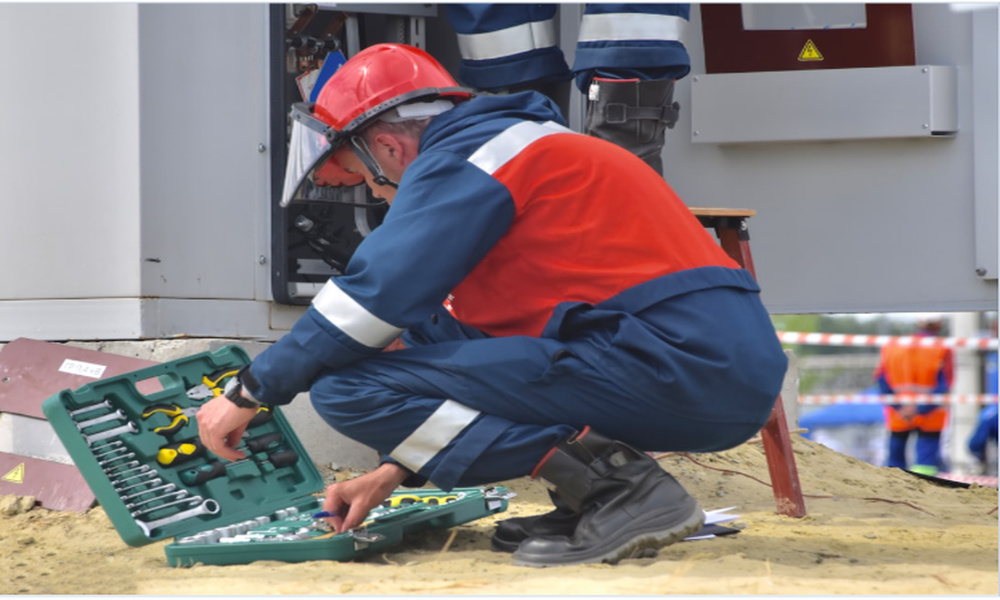
While engineering and administrative controls are the first line of defense, Personal Protective Equipment (PPE) is a last resort to protect workers from a falling object injury.- Hard hats: Essential for protecting the head, but may not prevent severe trauma from heavy objects.
- Steel-toed boots: Protect feet from falling items.
- Safety glasses/Face shields: Protect the face and eyes from smaller debris.
Key Safety Standards and Protocols
Safety standards provide a framework for preventing dropped object incidents.- OSHA requirements: The Occupational Safety and Health Administration (OSHA) mandates that employers secure tools and materials, use screens on scaffolds, and barricade hazardous areas to protect workers.
- ANSI/ISEA 121-2018 standard: This standard focuses on active prevention through tool tethering systems. It establishes criteria for tool attachments, anchor points, tethers (lanyards), and containers (bags or buckets) with secure closures.
- Toeboards and Guardrails: Toeboards are barriers at the edge of lifted surfaces to stop items from being kicked off. Guardrails prevent larger objects and workers from falling.
- Safety netting: Used to catch falling objects below work areas, but it is a passive control that should not replace proactive prevention.
Navigating Your Legal Options After a Falling Object Injury
When you’re struck by a falling object, the aftermath can be overwhelming. Understanding your legal rights early on can make a significant difference in your recovery. After a falling object injury, it’s crucial to document everything. If possible, take photos of the scene, the object, and your injuries. Report the incident immediately to a supervisor or property manager and get a copy of the accident report. Most importantly, seek medical attention right away, even if you feel fine, as some injuries have delayed symptoms. Moving forward, you’ll need to consider if negligence played a role, such as a failure to secure tools or follow safety protocols. Also, consider third-party liability, as parties other than your employer (like subcontractors or manufacturers) could be responsible.
Workers’ Compensation Claims
If your falling object injury happened on the job, workers’ compensation is your first source for benefits. In Pennsylvania, most employees are covered regardless of who caused the accident.- Covered benefits include medical expenses, a percentage of lost wages, and compensation for specific losses (like loss of use of a body part). Vocational rehabilitation may also be available.
- No-fault system: You don’t have to prove your employer was negligent, but in return, you generally cannot sue your employer for pain and suffering.
Premises Liability and Personal Injury Lawsuits
If your injury happened outside of your job—for instance, as a customer in a store—premises liability law applies. Property owners have a duty to keep their premises reasonably safe. If they fail to secure merchandise, maintain equipment, or warn of known hazards, they can be held responsible. Third-party claims can also arise in workplace accidents. Even while receiving workers’ comp, you might be able to sue a negligent third party, such as a subcontractor or equipment manufacturer. A personal injury lawsuit requires proving fault but allows you to seek compensation for pain and suffering, emotional distress, and a reduced quality of life—damages not covered by workers’ compensation. Understanding your rights under Personal Injury law is key to ensuring you receive full compensation.Frequently Asked Questions about Falling Object Injuries
When you’re dealing with a falling object injury, it’s natural to have questions. Based on our 135 years of helping Pennsylvania families, here are answers to some common concerns.What should I do immediately after being hit by a falling object at work?
First, seek immediate medical care, as some serious injuries aren’t immediately apparent. Then, report the incident to your supervisor and ensure an official accident report is filed. If you can, document the scene with photos of the object, the location, and your injuries. Finally, get contact information from any witnesses. Avoid giving a recorded statement to an insurance adjuster without legal guidance, as their goal is often to minimize your claim.Can I file a lawsuit if I was already receiving workers’ compensation?
Generally, you cannot sue your direct employer in Pennsylvania if you’re covered by workers’ compensation. This is the trade-off of the no-fault system. However, you may be able to file a third-party lawsuit against another party whose negligence contributed to your injury. This could be a subcontractor, an equipment manufacturer, or the property owner. A third-party claim allows you to seek compensation for damages not covered by workers’ comp, like pain and suffering.How much is my falling object injury claim worth?
The value of a claim is unique to each case and depends on several factors:- The severity of your injuries.
- Total medical bills, including future care needs.
- Lost wages, both past and future earning capacity.
- Impact on your quality of life, including pain and suffering.
How a Wilkes-Barre Pennsylvania Injury Attorney Can Help
When a falling object injury turns your world upside down, you shouldn’t have to face the aftermath alone. At Metzger Wickersham, we’ve helped people in your situation for over 135 years. Here’s how we can help:- Investigating Your Case: We dig deep to determine what happened and who is responsible, whether it’s an employer, contractor, or property owner. We ensure all negligent parties are held accountable.
- Exploring All Legal Options: Workers’ compensation often isn’t enough. We’ll explore third-party claims against other negligent parties to pursue compensation for pain and suffering, which workers’ comp doesn’t cover.
- Handling the Legal Battles: We manage the paperwork, deadlines, and negotiations with insurance companies so you can focus on healing. Our team is available 24/7, meaning you’re never alone in this process.

