 Skip to content
 Been Hurt at a Wilkes-Barre Construction Site?
Related Posts
Contact Us
Let Our Team Fight For You

Why Construction Site Injuries Can be Dangerous in Wilkes-Barre
Construction site injury accidents are far too common and are among the deadliest workplace hazards. Construction sites account for one in five workplace deaths, making the industry significantly more dangerous than most. Most Common Construction Site Injuries:- Falls from heights – Leading cause of construction fatalities (37.9% of deaths)
- Struck-by incidents – Hit by falling objects, tools, or heavy equipment
- Electrocutions – Contact with power lines or faulty electrical equipment
- Caught-in/between accidents – Crushed by machinery or in trench collapses
- Burns and chemical exposure – From fires, explosions, or toxic materials
- Back and spinal injuries – From lifting, falls, or being crushed
- Head trauma and brain injuries – Often causing permanent disability
The “Fatal Four”: The Most Common Causes of Construction Accidents
OSHA’s “Focus Four” are the accident types causing the most deaths on job sites. Eliminating these four hazards would save hundreds of lives annually. Your employer has a legal duty to protect you from these dangers by following safety regulations and providing training. When they fail, the consequences can be devastating. Understanding these causes is the first step in protecting yourself and knowing your rights. OSHA offers Focus Four Training to prevent these incidents. If you’ve been hurt, you can learn about your legal options through injury at work solicitors.Falls from Heights
Falls are the leading killer of construction workers, accounting for nearly 40% of all construction deaths. Working at height on scaffolding, ladders, and roofs is a daily risk. Accidents happen from improperly erected scaffolding, damaged ladders, or unprotected roof edges and openings. The law requires fall protection (guardrails, safety nets, personal fall arrest systems) when working six feet or more above ground. Despite this, fall violations are among OSHA’s most frequently cited. Prevention requires strict adherence to safety protocols. The CDC offers guidance on how to prevent construction falls from roofs, ladders, and scaffolds. If you’ve suffered a construction site injury from a fall, a slip and fall accident attorney can help.Struck-By Incidents
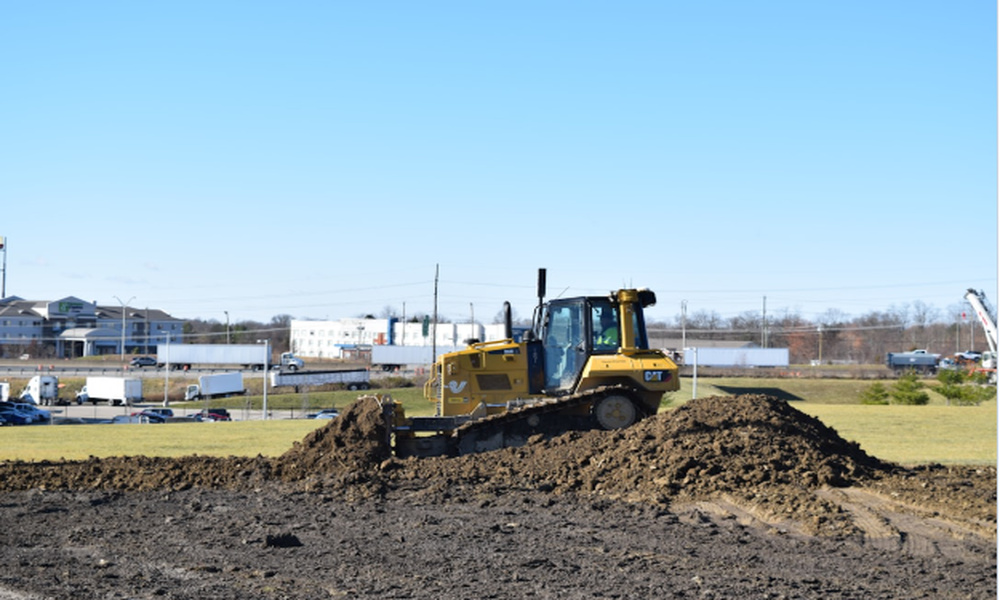 Being hit by objects or equipment causes thousands of injuries and hundreds of deaths annually. These accidents involve falling objects from upper levels, flying debris from power tools, and swinging loads from cranes. The deadliest incidents involve heavy equipment and construction vehicles, which account for over half of all fatal struck-by injuries. Prevention requires proper barriers, signage, high-visibility clothing, and trained equipment operators. If you’ve been in a struck-by incident, a personal injury lawyer in Harrisburg can help you steer the legal issues.
 Electrocutions
Contact with electrical current is often fatal or permanently disabling. The most common hazards include contact with power lines by tall equipment, faulty equipment with damaged wiring, improperly used extension cords, and a lack of proper grounding. Preventing electrocutions requires constant vigilance, daily equipment inspections, and worker training on safety procedures like lockout/tagout. A construction site injury from electrocution can cause severe internal and external injuries. For help understanding your options after an electrical accident, seek workplace injury advice from an injury lawyer in Frederick.Caught-In/Between Incidents
Being caught, squeezed, or crushed by objects or machinery causes catastrophic injuries. These accidents involve heavy machinery pinning workers, trench collapses burying workers, and unguarded moving parts on equipment pulling workers in. Prevention focuses on proper equipment maintenance, worker visibility, and strict adherence to safety protocols, especially for trenching. A construction site injury from a caught-in/between incident often results in permanent disability or death. A serious personal injury lawyer can help you steer the legal process.Common Types of Injuries Sustained on a Construction Site
 The “Fatal Four” cause deaths, but thousands more workers survive accidents with life-altering injuries. A construction site injury doesn’t have to be fatal to change someone’s world, leaving them with chronic pain, disability, and mounting medical bills. These injuries impact entire families. Understanding the most common injuries helps illustrate the full scope of construction dangers.
 Traumatic Brain and Head Injuries (TBI)
Even with a hard hat, the forces in construction accidents can cause devastating brain injuries. Falls and falling objects are the most common causes of TBIs. Injuries range from concussions, which can lead to long-term memory and concentration problems, to severe skull fractures that cause permanent changes in personality and motor skills. The long-term cognitive effects can prevent workers from ever returning to their jobs.Spinal Cord, Neck, and Back Injuries
Construction work is hard on the spine. Overexertion from years of lifting heavy materials can lead to herniated discs and chronic pain. More severe accidents like falls can cause paralysis and nerve damage. The construction industry sees thousands of spinal cord injuries each year, often resulting in massive lifetime medical costs. If you’re dealing with pain from repetitive work, you can learn more about a Repetitive Motion Injury.Burns, Lacerations, and Amputations
Some of the most devastating injuries involve burns, deep cuts, and amputations. Chemical spills, fires and explosions, and electrical burns can cause severe, disfiguring injuries requiring extensive medical treatment. Unguarded machinery and defective tools pose a constant threat, leading to deep cuts or amputations of fingers, hands, or arms. These injuries often end a worker’s career in construction.Broken Bones and Soft Tissue Damage
While less severe than a TBI, fractures and soft tissue damage can sideline a worker for months. Slips and falls are common on construction sites, causing sprains, strains, tears, and broken bones. Crush incidents can also break bones and cause severe soft tissue damage. For workers who depend on their physical abilities, the required time off for recovery can create serious financial hardship.What to Do Immediately After a Construction Site Injury
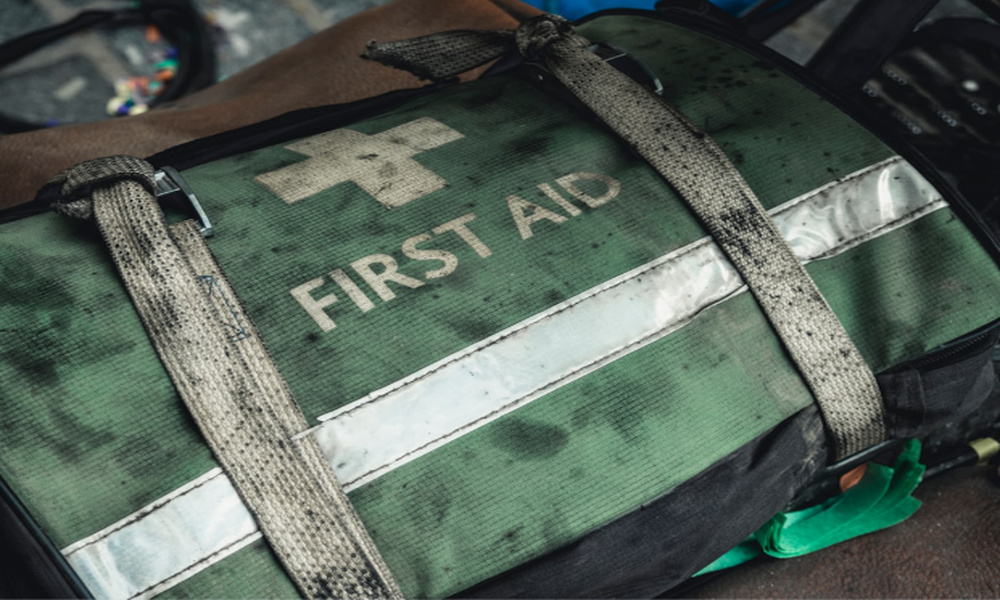 A construction site injury can be a frightening and disorienting experience. Knowing what to do in the immediate aftermath is crucial not only for your health but also for preserving your legal rights and potential claims. Acting quickly and methodically can make a significant difference in the outcome of your recovery and any future legal action.
 Seek Immediate Medical Attention
Your health is the top priority. After a construction site injury, adrenaline can mask the severity of your injuries. Seek medical attention immediately by calling an ambulance or going to an emergency room or urgent care clinic. When you speak with medical professionals, be completely honest about all your symptoms, even minor ones. Follow through with all prescribed medical care, including follow-up appointments and physical therapy. Skipping appointments can harm both your physical recovery and your potential legal claim. Every doctor’s visit and treatment creates a medical record. This documentation is crucial evidence that connects your injuries to the accident and demonstrates their extent, which is vital for your claim.Report the Injury to Your Employer
After receiving medical care, you must notify your employer about the incident. This is a critical step to protect your rights to compensation. Report the injury to your supervisor immediately or as soon as you are physically able. Do not delay, even if the injury seems minor. Your employer should have you complete a formal accident report. Be specific and detailed about the date, time, location, and cause of the accident, as well as the nature of your injuries. Follow your company’s reporting procedures carefully. Whenever possible, provide your notification in writing and keep a copy for your records. This creates an official paper trail that can prevent disputes later and is essential for any workers’ compensation or legal action.Document Everything
When you’ve suffered a construction site injury, gathering evidence becomes one of your most important tasks. The details you collect can make or break your claim. Take photos of everything you can. If you’re able to do so safely, document the scene immediately. Capture pictures of the accident site, focusing on any hazards like faulty equipment, debris, or inadequate safety measures. Don’t forget to photograph your visible injuries. Getting witness information is absolutely crucial. Anyone who saw what happened could become a key part of your case. Write down their names, phone numbers, and email addresses. You’ll also want to write down every detail you can remember about the accident. Include specific dates, times, and any unsafe practices or hazardous conditions you observed. Keep every piece of medical documentation organized. This includes all medical bills, doctor reports, and prescription receipts. These records demonstrate the real costs of your injury. Finally, track every day of work you miss and every dollar of income you lose. This documentation becomes essential when calculating the compensation you deserve. Your detailed documentation levels the playing field and helps ensure you get the full compensation you’re entitled to receive.Consult with a Legal Professional
After you’ve taken care of your immediate medical needs and reported the incident, reaching out to a lawyer should be your next priority. This is about protecting yourself and understanding all your options during a vulnerable time. A knowledgeable personal injury attorney can walk you through your rights under workers’ compensation laws and help you determine whether you might have grounds for a third-party claim. There are strict filing deadlines (called statutes of limitations) for both workers’ compensation claims and personal injury lawsuits. Missing these deadlines could mean losing your right to compensation entirely. An attorney will make sure you meet these crucial deadlines. At Metzger Wickersham, we understand how confusing this time can be. Our personal injury lawyers in Lancaster are here to help you understand your options and guide you through this complex process. One important tip: avoid speaking to insurance adjusters alone. Their goal is to minimize what they pay out. It’s often in your best interest to let your attorney handle these communications. Adjusters may try to get you to make statements that could hurt your claim or pressure you to settle for far less than your case is actually worth.Navigating Your Claim: A Construction Site Injury and Your Rights
When a construction site injury changes your life, you’re suddenly facing not just physical pain and recovery, but also mounting medical bills and lost wages. You have legal options for getting the financial help you need. In Pennsylvania, you typically have two main paths to compensation: workers’ compensation benefits and third-party claims. Pursuing both can often lead to a better recovery for you and your family.Workers’ Compensation vs. Third-Party Claims
Workers’ compensation is a no-fault system designed to cover employees injured on the job. Third-party claims, on the other hand, hold another party accountable when their negligence contributed to your construction site injury. Workers’ compensation covers your medical bills and a portion of your lost wages. The trade-off is that it generally doesn’t cover pain and suffering. Third-party claims allow you to sue a negligent party—such as a general contractor, property owner, or equipment manufacturer—for additional damages. These lawsuits can recover everything workers’ comp covers, plus compensation for pain and suffering and emotional distress. You can often pursue both claims at once. If your claim is denied, you can learn more about what to do for a denied workers’ comp claim.Types of Compensation You Can Recover
The compensation available depends on your case but can include:- Medical expenses: Covers all treatment, from emergency care to rehabilitation and future medical needs.
- Lost income and earning capacity: Compensates for wages you’ve already missed and for any reduction in your future earning ability.
- Pain and suffering: Available in third-party claims, this compensates for physical pain, emotional distress, and loss of enjoyment of life.
- Permanent disability or impairment: Provides benefits if your injury permanently changes your life, affecting your mobility or cognitive function.
- Vocational rehabilitation: May cover training for a new career if you cannot return to construction work.
Frequently Asked Questions about Construction Site Injuries
When you’re dealing with a construction site injury, it’s natural to have questions. Here are answers to some of the most common ones we hear.What are an employer’s responsibilities for site safety?
Employers have a legal duty to keep you safe. This includes:- Providing a reasonably safe work environment by identifying and fixing hazards.
- Complying with all OSHA standards, which is the law.
- Providing effective safety training specific to your job’s hazards.
- Supplying necessary personal protective equipment (PPE), such as hard hats, harnesses, and gloves.
- Properly maintaining all equipment and conducting regular worksite inspections to prevent failures.
What are the long-term consequences of a construction site injury?
A serious construction site injury can have lasting effects, including:- Chronic pain from back, joint, or nerve injuries that can affect your daily life.
- Permanent disability, such as paralysis or cognitive impairment from a head injury, which can impact your ability to work and live independently.
- Significant medical debt from ongoing treatments and therapies.
- Psychological trauma, such as PTSD, anxiety, or depression.
- A reduced quality of life, making it difficult to enjoy activities or maintain relationships as you did before the accident.
When should I contact a lawyer after a construction site injury?
You should contact a lawyer as soon as possible after getting medical attention. Here’s why:- To protect your rights: An attorney can prevent you from making statements to insurance companies that could harm your claim.
- To handle communications: A lawyer can manage all interactions with insurers, taking the pressure off you.
- To meet filing deadlines: There are strict time limits for filing workers’ compensation and personal injury claims. Missing them can mean losing your right to compensation.
- To preserve evidence: An attorney can act quickly to gather evidence from the accident scene before it’s lost.

